

 NinjaCalc
Potting and Encapsulation

Potting is the process of filling an enclosure (or a shell/case around a PCB) with a solid or gelatinous compound to protect the electronics inside from moisture, dust, vibration, shock and tampering.
Potting Compounds
The three common families of potting compounds are:
- Epoxy: Contain epoxy resins (chemicals with the epoxide ring) and hardeners.
- Polyurethane
- Silicone
Resin can come in handy no-mess bags like the one shown below. Both parts are in the same bag, separated by a thin plastic divider. When you are ready to use it, you remove the divider and knead the bag to mix the two parts together. Then cut a corner off the bag and squeeze out the mixed resin.
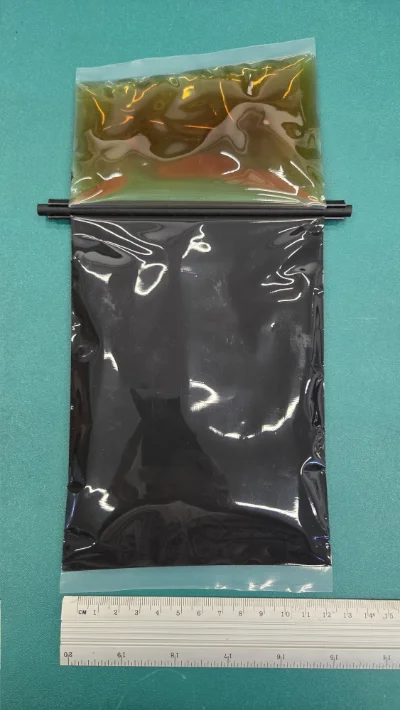
Semirigid polyurethane resin like the one shown above is suited well for small and delicate electronics as the cured resin exhibits very little stress on the components. When cured you can feel the softness by touching the resin with your finger.
Things to Watch Out For
Conformal Coating
Conformal coating is a related but lighter-weight alternative to potting, in which a thin protective film is applied over the PCB rather than encasing it in a solid compound.